
Is a Restored Piano Better Than New?
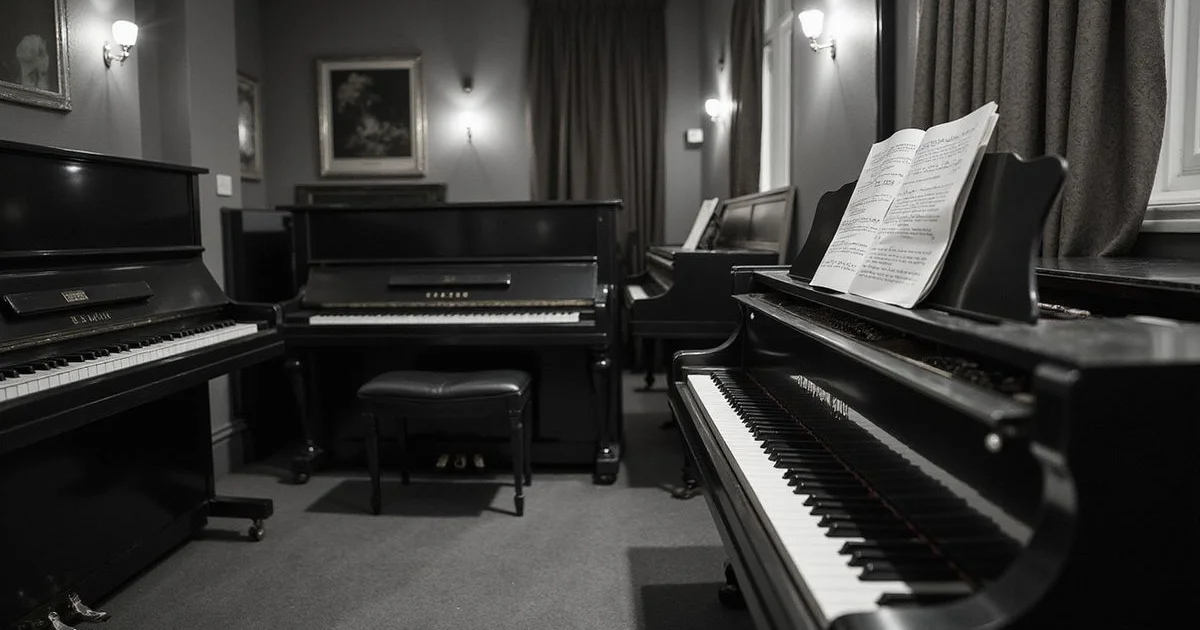
Choosing a piano is a big decision, and one of the first questions we often hear in our Harrogate showroom is whether a restored vintage instrument is a better investment than a brand new one.
The truth is, there’s no single right answer, but understanding the differences is key. Many people believe the period from the late 19th to the early 20th century was a “golden age” for piano making. Pianos from this era, from makers like Bechstein and Broadwood, were often built by hand with materials that are now rare and expensive.
A professionally restored piano from this period can offer a richness of tone that is hard to find in a new instrument at a comparable price. However, a new piano provides modern reliability and, in some cases, new technology. As authorised Yamaha and Kawai dealers, we see the incredible quality of today’s instruments first-hand.
This guide will walk you through the key points to consider. We will look at what a quality restoration really means, compare the practical benefits of new versus old, and give you the information you need to find the right instrument for your home.
From our Harrogate showroom
We are authorised Yamaha and Kawai dealers. Every instrument is prepared by James Whitmore, our qualified technician with 20 years’ experience, before it leaves our showroom on Montpellier Parade.
Practical guidance
You may also find our guide on Reconditioned vs Secondhand: What’s the Difference? helpful. A restored “golden age” piano can offer incredible character, but a new piano delivers modern precision and features. The best choice depends entirely on your priorities for budget, sound, and long-term care. Whether you are comparing options online or are ready to visit, we recommend starting with our overview of Pre-Owned Pianos to see how we work.
Understanding “Restored” vs. “New”
It is important to understand the different levels of work an older piano might have had. “Reconditioned” can mean little more than a clean and polish, whereas a full “rebuilding” or “restoration” means the piano has been disassembled and key components have been replaced to bring it back to as-new condition.
What to look for in a restored piano:
- New Strings and Tuning Pins: If a piano can’t hold its tune, the tuning pins may be loose in the pinblock, a common issue in older instruments.
- Action Refurbishment: This includes replacing worn hammers, felts, and leathers to ensure the keys are responsive and the touch is even.
- Soundboard Condition: While small cracks in a soundboard can often be repaired without affecting the tone, extensive damage can cause buzzing.
Advantages of a new piano:
- Manufacturer Warranty: New Yamaha and Kawai pianos come with a manufacturer’s warranty, giving you peace of mind.
- Modern Features: Many new models offer silent systems, like Yamaha’s SH3 or Kawai’s ATX4, which allow you to play with headphones. This is a fantastic feature for families or those who need to practise at unsociable hours.
- Stability: A new piano is built for modern, centrally heated homes and will have excellent tuning stability as it settles in.
Making an Informed Choice
Here is a breakdown of the key factors to weigh up. James prepares every piano before delivery, and we offer free delivery within 30 miles of Harrogate.
| Consider | A Restored “Golden Age” Piano | A New Yamaha or Kawai Piano |
|---|---|---|
| Budget & Value | Uprights from £2,500. Can offer the build quality of a historic premium brand, like a Bechstein, for the price of a new entry-level model. | New uprights start from around £3,500. They hold their value well and offer predictable performance without the risk of hidden issues. |
| Space & Environment | Must be carefully placed away from radiators and direct sunlight. Older pianos can be more sensitive to humidity changes. | Built for modern homes. Experts recommend maintaining a room humidity between 40-60% for any piano to protect the wood and internal parts. |
| Aftercare & Tuning | Plan for tuning twice yearly. Our standard tuning visit is £85. Older pianos may require more frequent regulation to keep the action feeling its best. | Needs tuning twice a year, especially in the first year as new strings settle. The action will be perfectly regulated from the factory. |
What to do next
North Yorkshire homes vary, from Victorian terraces in Harrogate to larger rural properties in the Dales. The size of your room, its humidity, and how often the piano will be played are all important factors.
Before you visit our showroom, it’s helpful to have a few things ready. This will help us guide you to the perfect upright or grand piano that fits your space and budget. Our price guide runs from £800 for quality pre-owned instruments to £45,000 for premium new grands.
To make the most of your visit, please bring:
- Room Dimensions: Knowing the length, width, and even ceiling height of your room helps us recommend a piano with the right projection.
- Photographs of the Space: A quick photo on your phone of where you imagine the piano will go is incredibly useful.
- Your Playing Style: Are you a beginner, a returning player, or an advanced musician? This helps us match an instrument to your touch and tonal preference.
Ready to try some pianos in person? You can visit us from Tuesday to Saturday, or for a dedicated, uninterrupted experience, we highly recommend you book a showroom viewing.
Ready to take the next step?
Learn more about Pre-Owned Pianos →