
Reconditioned vs Secondhand: What's the Difference?

Reconditioned vs Secondhand: What’s the Difference?
One of the most common questions we hear in our Harrogate showroom is about the real difference between a “secondhand” and a “reconditioned” piano. They might seem similar, but the distinction is crucial for your investment and long-term enjoyment.
At Keys & Co on Montpellier Parade, our approach is straightforward. Our lead technician, James Whitmore, brings over 20 years of experience to every instrument, ensuring families, schools, and discerning buyers find the right piano without any sales pressure.
This guide explains the key differences to help you make a confident choice.
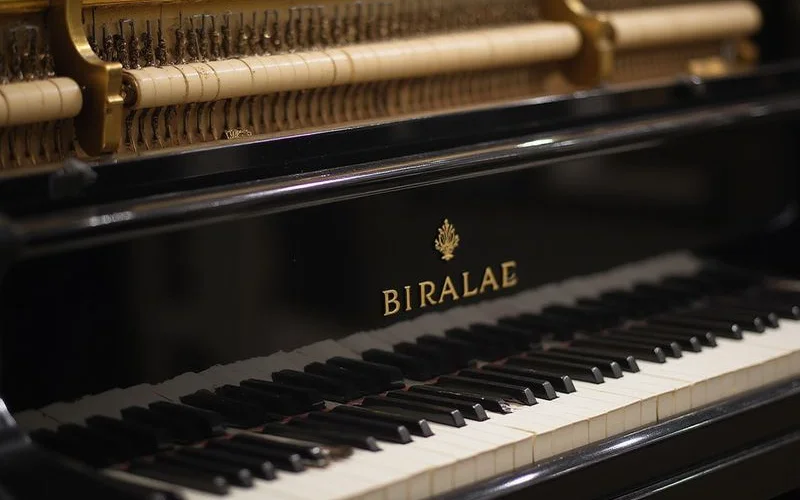
From our Harrogate showroom
We are authorised Yamaha and Kawai dealers. Every instrument is prepared by James before delivery.
What is a Secondhand Piano?
A secondhand, or used, piano is an instrument sold “as is.” This means its condition directly reflects its history of use, maintenance, and its previous environment.
While you can find some hidden gems privately, a secondhand piano often carries risks. An instrument that seems like a bargain can hide the need for expensive repairs. We recommend anyone considering a private sale first hires an independent technician for an inspection, which typically costs between £70 and £90 in the UK. This small investment can save you from purchasing a piano that requires hundreds, or even thousands, of pounds in unexpected work.
What Does ‘Reconditioned’ Really Mean?
A reconditioned piano is a secondhand instrument that has been professionally serviced to restore its performance and reliability. It goes far beyond a simple clean and tune.
The piano’s action, the intricate mechanism connecting the keys to the hammers, has over 8,000 moving parts. A proper reconditioning service addresses this complexity. The process involves a technician thoroughly inspecting, cleaning, repairing, and regulating these components. This ensures the touch is even and responsive across all 88 keys.
Our reconditioning work at the Harrogate workshop can include:
- Action Regulation: Adjusting the components for a consistent feel.
- Hammer Refacing: Reshaping grooved hammers to produce a clearer tone.
- Replacing Worn Parts: Installing new felts, leathers, or key bushings where needed.
- String Polishing: Cleaning bass strings to restore their brightness.
When you see a piano we’ve reconditioned, you can be sure it has been brought back to its best possible playing condition.
Practical guidance
You may also find our guide on How to Check a Used Piano Before Buying helpful.
Whether you are comparing options or ready to visit our showroom, we recommend starting with our guide to Pre-Owned Pianos for an overview of how we work. James prepares every piano before delivery, and we offer free delivery within 30 miles of Harrogate.
Making the right choice comes down to a few key factors.
| Consider | Typical approach | Keys & Co |
|---|---|---|
| Budget | Set a realistic range before visiting | Uprights from £2,500; pre-owned from £800 |
| Space | Measure room length and width | Private viewing rooms, try before you buy |
| Aftercare | Plan for tuning twice yearly | £85 standard tuning visit |
Budget
A reconditioned piano often provides better long-term value than a new budget model. For example, a professionally reconditioned Yamaha U1 from the 1980s, a sought-after model, typically costs between £4,000 and £5,000. A brand new Yamaha U1 could cost in the region of £9,000. You get a professional-quality instrument, built in an era of high-quality materials, for a significantly lower investment.
Space
Knowing your room’s dimensions is essential. North Yorkshire homes, from Victorian terraces to larger rural properties, have unique acoustics. Bringing measurements helps us recommend pianos that won’t overwhelm or get lost in your space. For reference, a popular upright like the Yamaha U1 is around 151cm wide and 62cm deep.
Aftercare
Pianos need tuning twice a year because seasonal changes in humidity cause the thousands of wooden parts to expand and contract, affecting the string tension. A standard tuning visit from a qualified technician in the Yorkshire area costs around £85. We also advise clients to keep a small digital hygrometer in the room to monitor humidity, aiming for a stable level between 45% and 60%.
What to do next
The final decision always comes down to playing the instrument. Sound and touch are personal, and the only way to know if a piano is right for you is to sit down and try it.
When you visit our showroom, we encourage you to spend time with different uprights and grands. Feel the action of the keys, listen to how the notes sustain, and check that the pedals work smoothly. Our price guide runs from £800 for quality pre-owned instruments to £45,000 for premium grands, offering a wide selection for every level of player.
Ready to try some pianos in person? You can visit us Tuesday to Saturday, or feel free to book a showroom viewing for a dedicated appointment.
Ready to take the next step?
Learn more about Pre-Owned Pianos →