
How to Check a Used Piano Before Buying
Choosing a piano is a significant decision. For many people, finding what looks like the perfect used instrument brings a mix of excitement and worry. How can you be sure it’s a great find and not a costly mistake?
At Keys & Co on Montpellier Parade in Harrogate, our qualified technician, James Whitmore, has spent 20 years helping families, schools, and discerning buyers find the right instrument.
We believe in giving clear, practical advice without any sales pressure.
This guide will walk you through the essential checks to perform. We’ll cover what to look for on the outside, what to inspect inside, and the key questions to ask the seller.
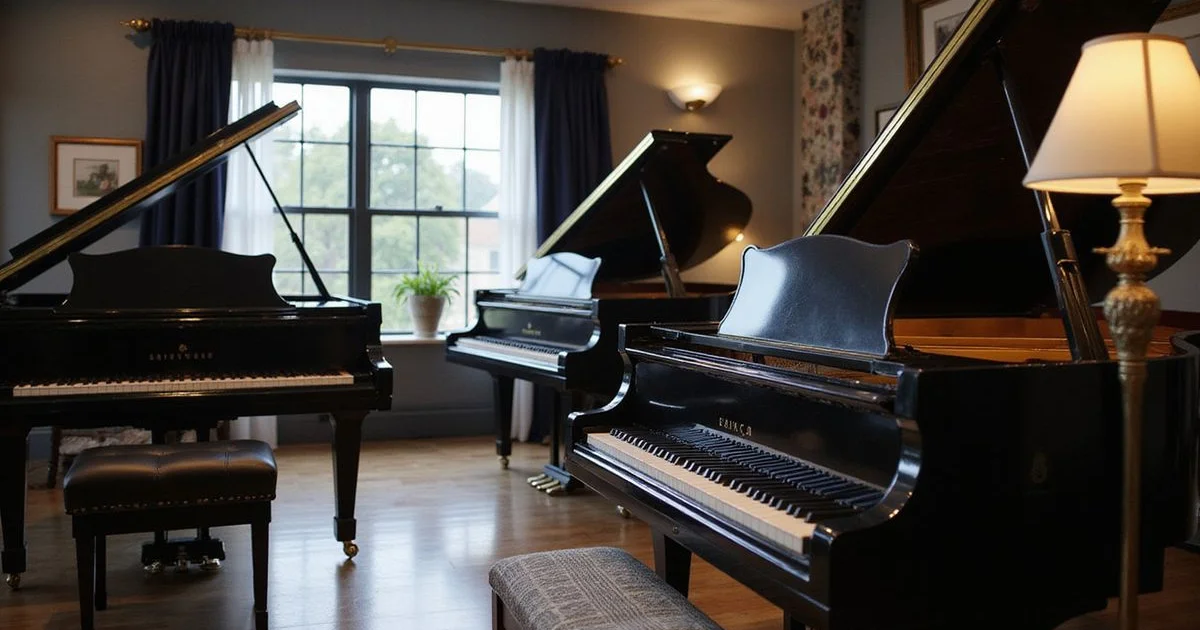
From our Harrogate showroom
We are authorised Yamaha and Kawai dealers. Every instrument is prepared by James before delivery.
Practical guidance for checking a used piano
You may also find our guide on How Much Does a Used Piano Cost in Yorkshire? helpful. Whether you are just starting to compare options or are ready to visit a seller, this checklist will help you assess an instrument properly. We recommend starting with an overview of our Pre-Owned Pianos to see how we prepare every instrument.
The Piano’s Exterior and Structure
The cabinet’s condition often reflects how well the piano has been cared for. Look for significant fading, deep scratches, or water damage, especially around the base. These can indicate neglect or storage in poor conditions, like a damp conservatory.
- The Frame: Open the top lid and look at the internal cast-iron frame. Check carefully for any cracks, as this is a serious structural issue that is often not worth the cost of repair.
- The Soundboard: Behind the strings is the soundboard, a large sheet of wood that amplifies the sound. Look for cracks here, too. A cracked soundboard can lead to buzzing noises and a significant loss of tone. Repairing a soundboard is a specialist job and can be extremely expensive.
- The Smell: It may sound odd, but the smell of the piano can be revealing. A strong, musty or mouldy odour points to prolonged exposure to damp, which can cause felts to swell and strings to corrode.
The Keys and Action
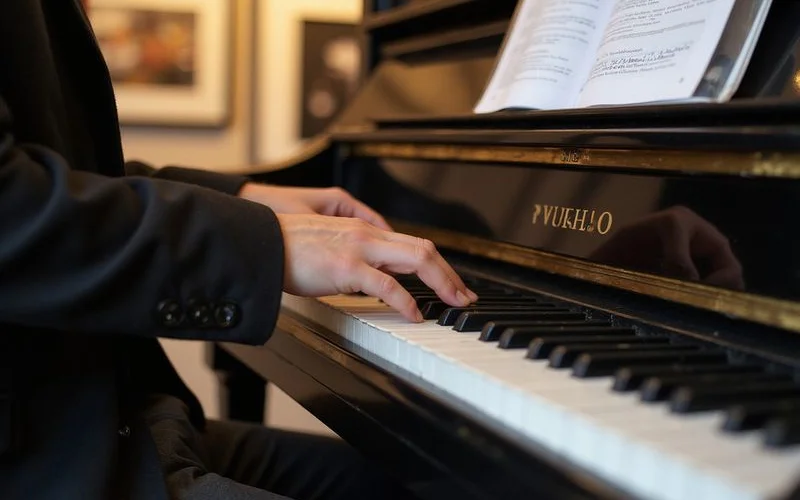
A piano has thousands of moving parts in its action, so it’s vital to check how it plays and feels.
- Play Every Note: Play each key one by one, from the bottom to the top. Listen for notes that buzz, rattle, or sound much quieter than their neighbours. Uneven tone can sometimes be fixed with voicing, but it can also signal bigger problems.
- Check for Sticking Keys: Do any keys fail to return promptly after being played? Sticking keys can be caused by swollen parts due to humidity or a broken part within the action.
- Feel the Touch: The keys should feel even and smooth as you play. Significant side-to-side wobble could mean the key bushings are worn from heavy use.
The Internal Workings
The internal condition of the piano is where you will find the biggest clues about its health and longevity.
| Part | What to Check For | Why It Matters |
|---|---|---|
| Hammers | Look at the felt tips that strike the strings. Deep grooves or flat spots indicate heavy wear. | Worn hammers produce a poor tone. While they can be refaced or replaced, this is an added expense. |
| Strings | Check for rust, particularly on the copper-wound bass strings. Note if any strings are missing. | Rusty strings sound dull and are more likely to break during tuning. A single replacement bass string can cost around £60. |
| Tuning Pins | Look at the block where the pins are held (the wrest plank). See if the pins look uniform or if there are cracks in the surrounding wood. | Loose tuning pins are a major problem, as the piano will not hold its tune. This can be a very costly repair. |
What to do next
Once you have inspected a piano, consider the logistics. Homes in North Yorkshire vary, from Victorian terraces in Harrogate to larger rural properties, and room size is a key factor. An upright piano can weigh between 180kg and 270kg, so think about delivery access and where it will be placed.
Bring your room dimensions with you when you visit a showroom. We can help you shortlist uprights and grands that fit your space and budget. Our price guide runs from £800 for quality pre-owned instruments to £45,000 for premium grands.
Finally, factor in aftercare. A piano should be tuned twice a year to keep it sounding its best. After moving, a piano needs about four to six weeks to acclimate to its new environment’s temperature and humidity before its first tuning. Our standard tuning visit is £85, which is a typical rate for the Yorkshire area.
Ready to try pianos in person? Visit us Tuesday to Saturday or book a showroom viewing.
Ready to take the next step?
Learn more about Pre-Owned Pianos →