
How to Choose Your First Piano
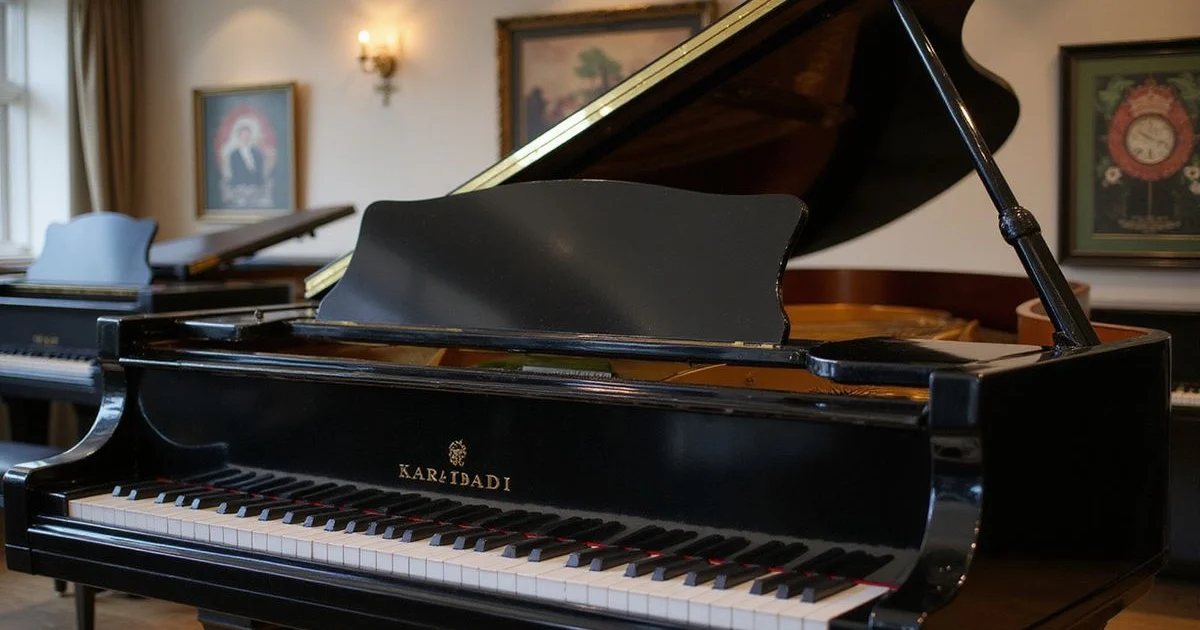
Choosing your first piano is a significant decision, a real investment in your home and your family’s musical future. We know it can feel like a big step.
As a qualified technician with 20 years of experience, our founder James Whitmore has helped countless people in the Harrogate area find the perfect instrument without any sales pressure.
Our expertise is in high-quality acoustic pianos, and we are authorised dealers for both Yamaha and Kawai, two of the most respected names in the industry.
This first piano buying guide will walk you through the key considerations, from budget and space to the kind of aftercare that protects your investment for years to come.
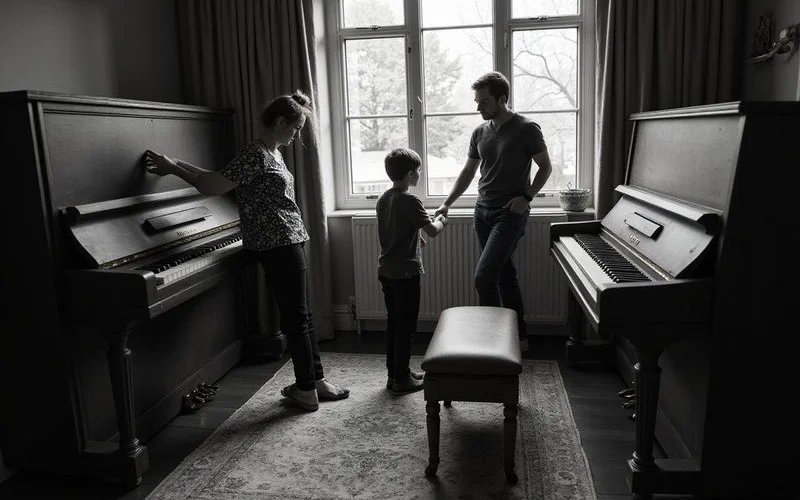
From our Harrogate showroom
We are authorised Yamaha and Kawai dealers. Every instrument is prepared by James before delivery.
Practical guidance
You may also find our guide on Upright vs Grand Piano: Which Is Right for Your Home? helpful. Whether you are just starting to compare options or are ready to visit a showroom, it is helpful to have a framework. We recommend starting with the piano buying guides to see how we work. Our approach is centred on education and finding the right fit for you. James prepares every single piano before it leaves us, and we offer free delivery within 30 miles of Harrogate.
Here are the three main areas to consider.
Budget: Thinking Beyond the Sticker Price
Setting a realistic budget is the first step. A quality pre-owned upright can start from as little as £800, while new premium uprights, like a Yamaha b1, often begin around £4,000. It is important to factor in ongoing costs as well.
- Tuning: A piano should be tuned twice a year to keep it sounding its best. Our standard tuning visit is £85. The first year is especially important as a new piano settles into your home’s environment.
- Regulation: This is the adjustment of the piano’s action, or key mechanism. It affects the touch and responsiveness. We recommend having this checked every 3 to 5 years.
- Moving: If you move house, professional piano movers are essential to avoid damage. Costs can vary based on distance and difficulty of access.
Space: Matching the Piano to Your Room
You need to measure your room, but the piano’s relationship with the space goes beyond simple dimensions. An instrument that sounds perfect in our showroom might sound different in your home.
| Consideration | Typical Approach | Our Advice |
|---|---|---|
| Room Size | Measure length and width. | Bring your dimensions to us. We use private viewing rooms so you can hear how a piano sounds in a space similar to a real room, not a vast warehouse. |
| Acoustics | Place the piano anywhere it fits. | Consider the room’s surfaces. Hard floors and bare walls can make a piano sound overly bright, while soft furnishings like rugs and curtains absorb sound for a warmer tone. |
| Placement | Position against any wall. | Avoid placing an acoustic piano against an outside wall or near a radiator. Sudden temperature and humidity changes can affect its tuning and long-term health. |
Acoustic vs. Digital: The First Big Choice
Many beginners ask for our piano for beginners advice, and a common question is whether to start with an acoustic or a digital instrument.
An acoustic piano offers a rich, resonant tone and a nuanced touch that many players prefer. The downside is the need for regular tuning. A digital piano, on the other hand, never needs tuning and offers the huge benefit of headphone practice, perfect for terraced houses.
For those wanting the best of both, modern silent systems are a fantastic solution. Pianos like Yamaha’s b1 SC3 or Kawai’s K-200 ATX4 are genuine acoustic pianos that can also be played silently through headphones, offering total flexibility.
What to do next
Every home in North Yorkshire is different, from compact Victorian terraces in Harrogate to larger rural properties in the Dales. The size of your room, its humidity, and how often the piano will be played all influence the right choice.
A crucial factor is humidity. Drastic swings can cause the wooden parts of a piano to swell or shrink, affecting its tuning and condition. We recommend keeping the room’s humidity as stable as possible, ideally between 40% and 60%. A simple hygrometer can help you monitor this.
When you visit our showroom, bring your room dimensions and a few photos if you can. This helps us shortlist the uprights and grands that will not only fit your space but also sound their best within it. Our price guide runs from £800 for quality pre-owned instruments to £45,000 for premium new grands.
Ready to take the next step in how to choose your first piano?
You can visit us Tuesday to Saturday to try some instruments in person, or book a private showroom viewing for a dedicated, one-on-one appointment.
Ready to take the next step?
Learn more about Guides →