
Basic Piano Care Between Professional Tunings
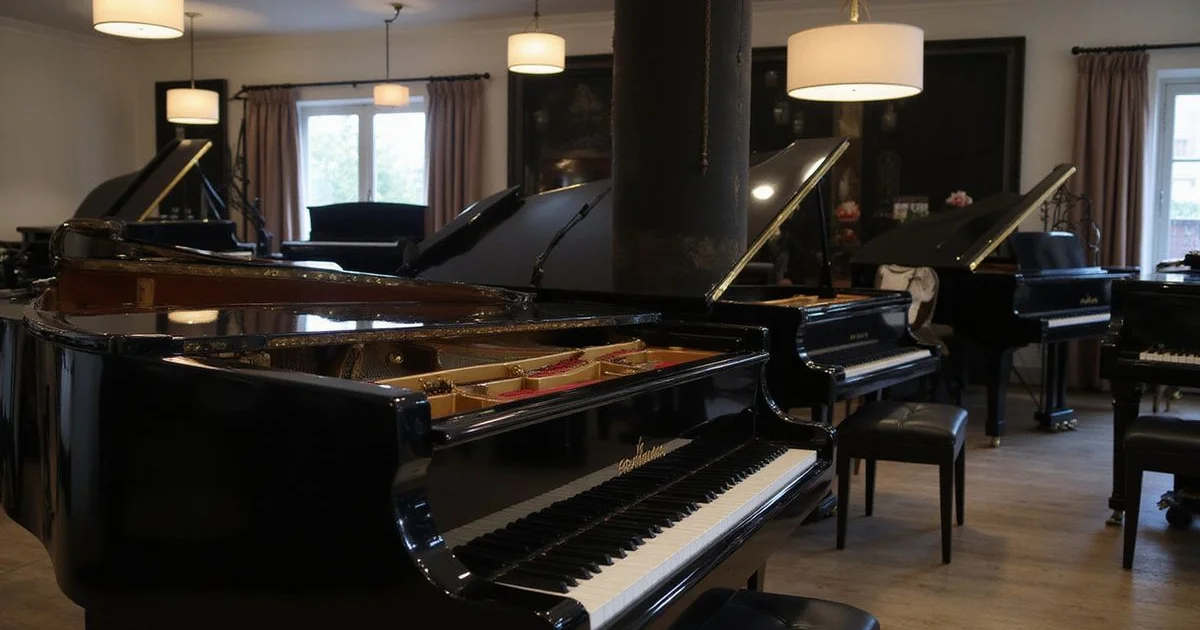
How to Look After Your Piano
A piano is a significant investment. It’s often the heart of a room, but it’s much more than a piece of furniture. Keeping it sounding its best requires a little care between professional visits, especially with the UK’s fluctuating humidity.
The ideal relative humidity (RH) for a piano is between 45% and 55%. Big swings outside this range can cause tuning problems and even long-term damage.
At Keys & Co on Montpellier Parade in Harrogate, our qualified technician James Whitmore has spent 20 years helping families, schools, and discerning buyers. We focus on finding the right instrument for you without any sales pressure, and we believe that includes giving you the right advice to protect it for years to come.
This guide will walk you through the essentials of basic piano maintenance at home, covering placement, cleaning, and climate control.
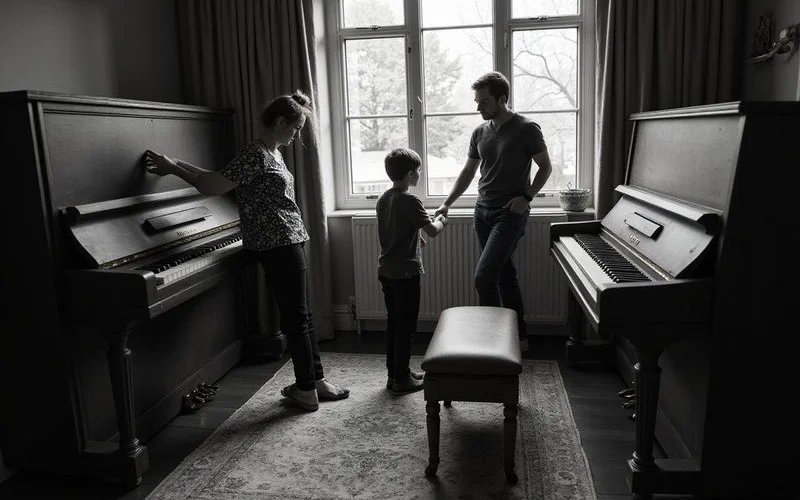
From our Harrogate showroom
We are authorised Yamaha and Kawai dealers. Every instrument is prepared by James before delivery.
Practical guidance for long-term care
You may also find our guide on How to Choose Your First Piano helpful. Excellent piano care begins before the instrument even enters your home. Making the right choice from the start sets you up for success. We always suggest you begin by exploring the piano buying guides to get a sense of how we work.
Our approach focuses on matching you with a piano that fits your space and budget perfectly. This careful preparation is the first step in your piano’s maintenance journey.
| Consider | Typical approach | Keys & Co |
|---|---|---|
| Budget | Set a realistic range before visiting | Uprights from £2,500; pre-owned from £800 |
| Space | Measure room length and width | Private viewing rooms, try before you buy |
| Aftercare | Plan for tuning twice yearly | £85 standard tuning visit |
Once your piano is home, a few simple routines will keep it in top condition.
1. Choose the Right Location
Where you place your piano has a huge impact on its health and tuning stability.
You should position your piano away from any sources of changing temperature. This includes radiators, fireplaces, air conditioning units, and windows that get direct sunlight. A sudden temperature change from sunlight can be enough to affect its tuning. An internal wall is always the best choice, as external walls can be colder and prone to damp.
2. Control Your Room’s Climate
Consistent temperature and humidity are critical. A piano is made mostly of wood, which swells in high humidity and shrinks in low humidity, affecting everything from the tuning pins to the wooden action parts.
We recommend using a digital hygrometer to monitor the room’s relative humidity, aiming to keep it in that 45-55% sweet spot. In particularly damp or dry rooms, you might consider a dedicated climate control system. A professional system, like one from Dampp-Chaser, can be fitted inside the piano itself to create a stable microclimate.
3. Keep the Cabinet and Keys Clean
Dusting your piano regularly with a soft, microfibre cloth is the most important step.
For cleaning the cabinet, never use household furniture polish, especially silicone-based sprays like Pledge. These products can leave a residue that builds up over time and can be very expensive to have professionally removed. For a high-gloss finish, we recommend using a specialist product like Cory-Super High Gloss Piano Polish.
To clean the keys:
- Plastic Keys: Use a soft cloth lightly dampened with water and a tiny drop of mild washing-up liquid.
- Ivory Keys: These are more porous. Use a cloth that is only slightly damp with water, and wipe them dry immediately.
Scheduling your professional tuning
Knowing what to do next for professional care is straightforward. In North Yorkshire, the varied housing, from Victorian terraces to modern rural properties, means every home’s environment is different. These fluctuations make regular professional servicing essential.
We recommend having your piano tuned twice a year to keep up with seasonal changes. Our standard tuning visit is £85, which is competitive with the typical UK range of £70 to £120. A professional tuning does more than just adjust the pitch, it’s also a health check for the instrument. Your technician can spot potential issues before they become serious problems.
Our price guide runs from £800 for quality pre-owned instruments to £45,000 for premium grands. So, whether you are just starting or are an experienced player, we can help find the right fit.
If you are ready to try some pianos in person, feel free to visit us from Tuesday to Saturday or book a showroom viewing.
Ready to take the next step?
Learn more about Guides →