
Piano Care in Central Heating and Seasonal Humidity
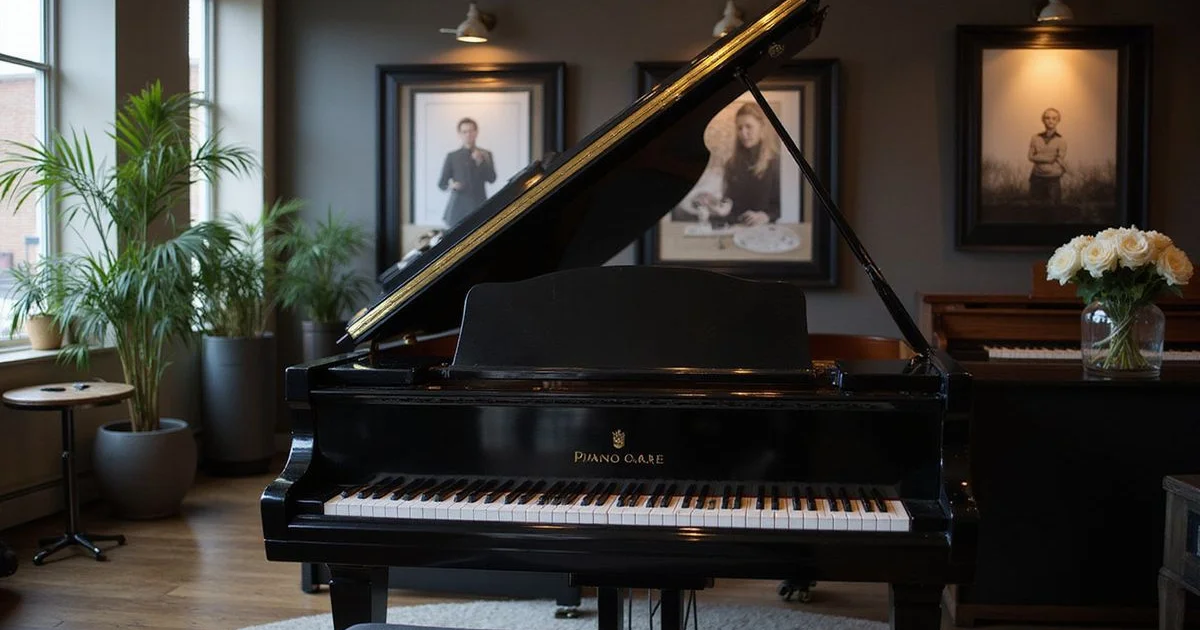
You know how the environment inside a North Yorkshire home can feel completely different from season to season. The dry warmth from central heating in winter is a world away from the damp air of a wet summer.
Most people don’t realise that a piano, being made of wood, felt, and metal, is incredibly sensitive to these shifts.
Our team at Keys & Co on Montpellier Parade, Harrogate, has over 20 years of experience helping families find the perfect instrument. Our qualified technician, James Whitmore, focuses on matching a piano to your home’s specific environment, ensuring it has a long and happy life. We are here to help without any sales pressure.
This guide offers our practical advice on how to manage your home’s climate for the health of your piano.

From our Harrogate showroom
We are authorised Yamaha and Kawai dealers. Every instrument is prepared by James before delivery.
Practical guidance
The first step in protecting your piano is understanding its basic needs. We recommend reading our overview on Piano Tuning & Maintenance to see how we approach long-term care. Consistency is key, and it starts with the right placement and upkeep from day one.
You may also find our guide on How Much Does Piano Tuning Cost in Yorkshire? helpful.To help you prepare, here is a quick look at how we address the most common considerations.
| Consider | Typical approach | Keys & Co Advice |
|---|---|---|
| Placement | Place it where it fits best | Avoid radiators, direct sunlight, and draughty windows. An inside wall is usually the safest spot. |
| Humidity | Hope for the best | Aim for a stable Relative Humidity (RH) of 45-65%. A simple digital hygrometer, often costing less than £15, is essential for monitoring this. |
| Aftercare | Tune it when it sounds off | Plan for tuning twice yearly. This counters the predictable pitch drops in dry winters and rises in damp summers. Our standard tuning visit is £85. |
| Budget | Set a realistic range | Our pre-owned pianos start from £800, with new uprights from £2,500. We ensure every option is mechanically sound for its price point. |
What to do next
North Yorkshire homes, from Victorian terraces in Harrogate to rural farmhouses, all present unique challenges for piano care. The instrument’s performance is directly linked to its environment. Room size, humidity levels, and frequency of play all have an impact.
Here are the steps we recommend you take to ensure your piano remains stable and sounds its best for years to come.
1. Choose the Right Location in Your Room
Where you place your piano is the most important decision you will make after buying it. A poor location can cause constant tuning problems and even permanent damage.
- Avoid Heat Sources: Keep the piano several feet away from radiators, fireplaces, and heating vents. Direct heat dries out the wood, which can lead to a cracked soundboard.
- Shun Sunlight: Direct sunlight can fade the piano’s finish and cause rapid temperature fluctuations that harm the internal components.
- Beware of Draughts: Place the piano away from windows and external doors to protect it from sudden changes in temperature and humidity.
2. Actively Manage Room Humidity
The seasonal humidity swing is your piano’s biggest enemy. Central heating can cause indoor humidity to fall below 40% in winter, while damp UK summers can push it above 70%. This fluctuation makes the wooden parts swell and shrink, causing keys to stick and strings to go out of tune.
Your goal is to keep the Relative Humidity (RH) in the room as stable as possible.
- In Dry Winter Months: If your hygrometer shows the RH is consistently below 45%, use a room humidifier to add moisture to the air.
- In Damp Summer Months: If the RH is regularly above 65%, a dehumidifier will help protect your piano from swelling and potential mould growth.
3. Consider a Professional Climate Control System
For a truly stable environment, or for protecting a high-value instrument, we recommend an automated system. The most well-known solution is the Dampp-Chaser Piano Life Saver System. This device is installed directly inside the piano by a qualified technician.
It includes a humidifier, dehumidifier, and a humidistat that work together to maintain a constant level of humidity within the instrument itself, regardless of the room’s conditions. An installation in the UK typically costs between £400 and £600 and is the single best investment for long-term stability.
Ready to try some pianos in person and discuss what would work best in your home? Bring your room dimensions when you visit, and we will help you find the perfect fit. Visit us from Tuesday to Saturday or book a showroom viewing to get started.
Ready to take the next step?
Learn more about Piano Tuning & Maintenance →