
How Often Should a Piano Be Tuned in North Yorkshire?
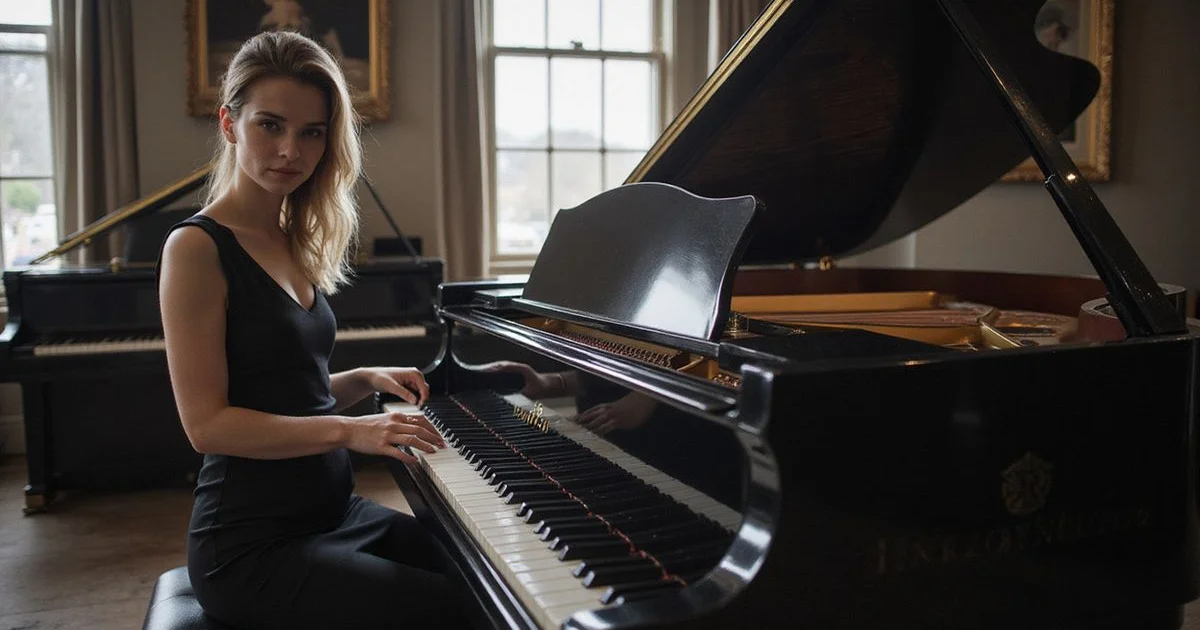
You’ve chosen a piano, which is a significant decision. Now, the most common question we hear in our Harrogate showroom is how to properly care for it.
Here in North Yorkshire, the answer isn’t always straightforward. Our varied climate, from coastal dampness to the dry air of a centrally heated home in winter, plays a huge role. These shifts in humidity and temperature cause the wood in the piano to expand and contract, which directly affects its tuning.
As a qualified technician with 20 years of experience, our own James Whitmore has seen firsthand what a difference regular maintenance makes.
We’ve put together this guide to explain the standard advice, the local factors that matter most, and how we can help you keep your instrument sounding its best.
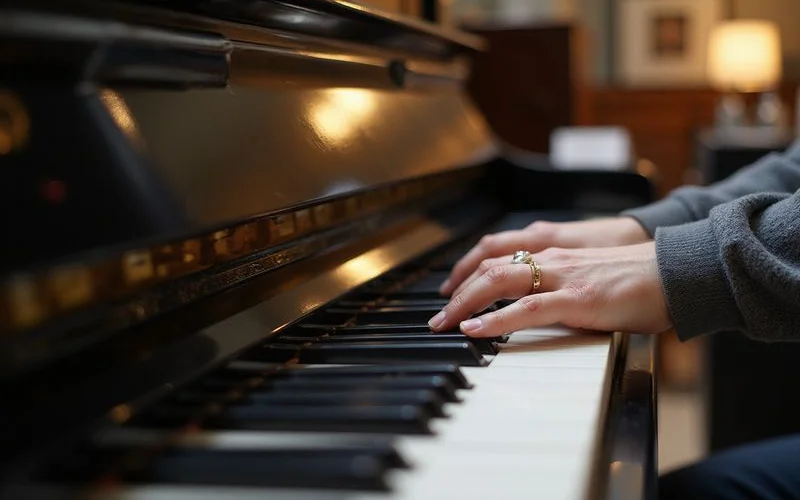
From our Harrogate showroom
We are authorised Yamaha and Kawai dealers. Every instrument we sell is personally prepared by James before delivery.
The General Rule and Why It Matters
For the vast majority of domestic pianos, the standard recommendation is to have them tuned twice a year. This isn’t just an arbitrary number, it’s based on the typical cycle of seasonal changes in the UK.
The primary reason for this schedule is humidity. A piano’s soundboard, the large wooden plate that amplifies the strings’ vibrations, swells in the humid summer months and shrinks in the drier winter when central heating is on. This movement alters the tension of the strings, causing the piano to go out of tune. A twice-yearly tuning corrects these seasonal shifts, maintaining the piano’s pitch and protecting its structural integrity.
There are, however, a few exceptions to this rule.
- New Pianos: A brand new instrument often requires more frequent tuning, typically three to four times in its first year. The new strings need time to stretch and settle into a stable tension.
- Performance Pianos: Instruments in schools, theatres, or recording studios that are played for several hours a day may need tuning quarterly or even before every major performance.
- Older Pianos: Very old pianos can have components that are less stable, sometimes benefiting from more frequent, gentle tunings to keep them at their best without putting undue stress on the frame.
Practical Guidance for North Yorkshire Piano Owners
You may also find our guide on Piano Care in Central Heating and Seasonal Humidity helpful. Beyond a regular schedule, several factors specific to your home can influence how well your piano holds its tune. Our team recommends you take a moment to learn more about our Piano Tuning & Maintenance process, which covers our approach in detail.
The table below outlines common considerations and how we address them at our Harrogate showroom.
| Consider | Typical approach | Our Recommendation |
|---|---|---|
| Budget | Set a realistic range before visiting. | Uprights start from £2,500, with quality pre-owned models from £800. |
| Space | Measure the room’s length and width. | Use our private viewing rooms to try pianos before you buy. |
| Environment | Place the piano away from heat sources. | Avoid positioning it near radiators, fireplaces, or in direct sunlight. |
| Aftercare | Plan for tuning at least twice a year. | A standard tuning visit with us is £85. |
Your Home’s Environment
The most common issues we see are related to a piano’s placement within a room.
- Heating: Radiators and underfloor heating are particularly drying. Try to place your piano against an internal wall and away from direct heat sources.
- Sunlight: Direct sunlight from a window can cause rapid temperature fluctuations, damaging the finish and affecting tuning stability.
- Draughts: Placing a piano near exterior doors or drafty windows can also cause problems. Consistent conditions are key.
What to do next
North Yorkshire homes are wonderfully varied, from Victorian terraces in Harrogate to larger rural properties in the Dales. The size of your room, its humidity, and how often the piano will be played are all important factors.
We always suggest bringing your room dimensions with you when you visit. This allows our team to help you shortlist uprights and grands that will fit your space and your budget perfectly. Our price guide runs from £800 for quality pre-owned instruments to £45,000 for premium new grand pianos.
The best way to find the right instrument is to play it.
Ready to try some pianos in person? You can visit us Tuesday to Saturday, or feel free to book a showroom viewing for a dedicated appointment.
Ready to take the next step?
Learn more about Piano Tuning & Maintenance →